

Blog
How to Plan a Bathroom Renovation Without Wasting Money

A bathroom renovation is one of those projects where the expensive mistakes often happen before anything has been fitted. The wrong product can be ordered, the layout can be guessed, the pipework can be overlooked or the room can be designed around a photo rather than the way the household actually uses the space. Good planning does not take the personality out of the bathroom. It simply gives the project a sensible route so the money goes into the parts that matter.
At TikiTaki Bathrooms, we see the same pattern again and again. Homeowners usually know the style they like, but they are less sure about sequence, product sizes, wall finishes, flooring, storage, electrical details and fitting time. That uncertainty can lead to rushed decisions. A better approach is to slow the project down at the planning stage, compare the key options in person and only order once the room, budget and practical details are working together.
This guide is written for people who want a bathroom that looks good, lasts well and feels straightforward to live with. It is not about choosing the cheapest possible route. It is about avoiding waste, making confident decisions and knowing when a full bathroom renovation needs more than a simple product list.
What This Bathroom Renovation Guide Covers
The first thing to decide is whether the project is a refresh, a partial upgrade or a full renovation. A refresh may keep the same layout and change visible items such as the vanity unit, taps, mirror, flooring or wall panels. A partial upgrade may involve the shower area, bath, toilet or storage. A full renovation usually means stripping the room back, checking the subfloor and walls, dealing with plumbing and electrics, then rebuilding the room around a planned layout.
Those three routes can look similar in a finished photo, but they are very different for cost and timing. A refresh can be faster because it works around what is already there. A full renovation needs more labour, more decisions and more preparation. That is why it helps to create a short written brief before choosing products. Write down what is annoying about the current bathroom, what needs to stay, what can move, who uses the room and which result would make daily life easier.
The brief should also include a realistic budget range, not just a single figure. Bathroom projects often uncover small extras once old fittings are removed. A board may need replacing, a waste pipe may need adjusting, or ventilation may need improving. Keeping a sensible allowance stops those findings from turning into panic. The Planning Portal guidance on building regulations is a useful reminder that even internal work can have practical rules around safety, structure and services.
How to Plan Before You Start Ordering
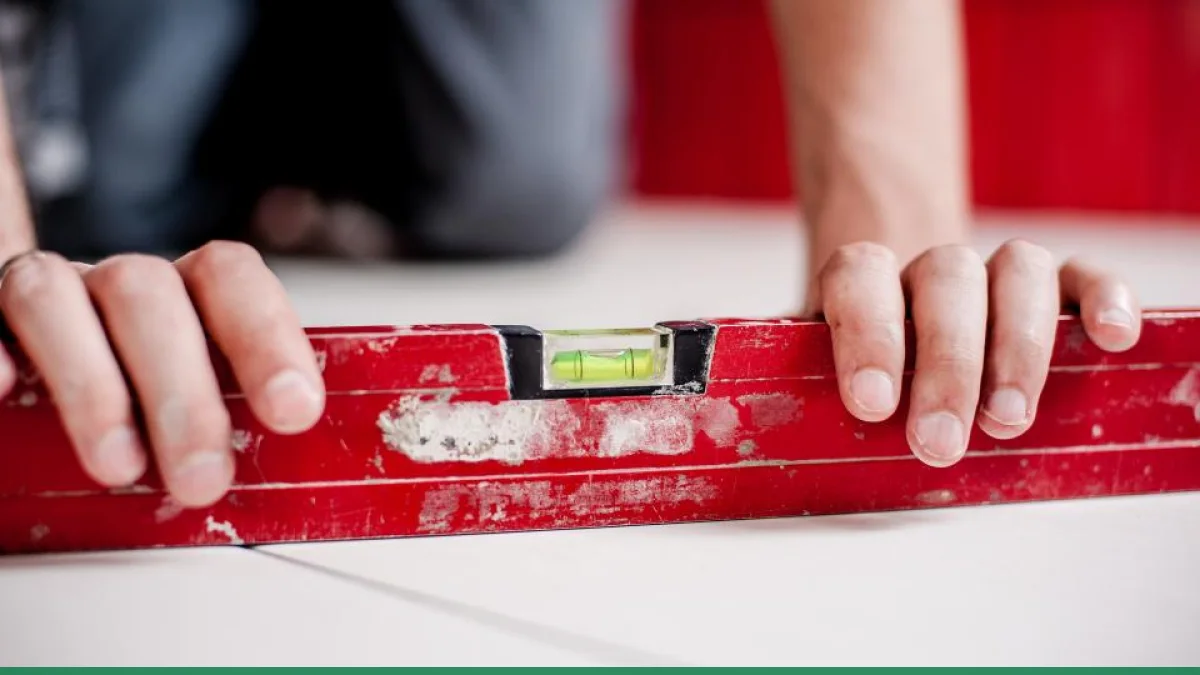
Start with measurements, but do not stop at the wall-to-wall size. Measure door openings, ceiling height, window positions, boxing, soil pipe location, radiator position, shower tray space and the swing of any doors. Check whether the floor is level and whether walls are reasonably straight. These details affect what can be fitted neatly. They also help the showroom team suggest products that suit the room rather than products that only look good online.
Next, plan the order of decisions. Layout comes first, because it controls plumbing, electrics and product sizes. Wet area finishes come next, because the choice between wall panels, tiles or shower boards affects preparation. Flooring should be chosen with the room use in mind, especially if the floor may get splashed often. Furniture, mirrors and accessories should then support the layout rather than compete with it. When these decisions are made in the wrong order, people often end up changing products later.
It is also worth deciding where you want expert help. Some homeowners are comfortable choosing finishing touches but need support with layout, waterproofing and product compatibility. Others know the layout but want to see samples before buying. Visiting a showroom gives you a chance to compare finishes, check colours under normal light and ask direct questions about what fits together. That is far more useful than judging every decision from a screen.
Set a Budget That Matches the Finish You Expect
A realistic bathroom budget should separate products, fitting, preparation and contingency. Products are the visible part: bath, shower, toilet, basin, wall finish, flooring, taps, storage and mirror. Fitting is the labour needed to install them properly. Preparation covers the less exciting work, such as sorting walls, levelling areas, improving ventilation or dealing with old pipework. Contingency protects the project when the existing room is hiding something awkward.
Many wasted costs come from treating those parts as one pot. If all the budget goes into visible products, there may not be enough left to fit them properly. If the fitting allowance is too low, the finish can suffer. A better balance is to choose products that suit the standard of renovation you want and then leave enough room for careful installation. This is where a showroom conversation can save money, because a slightly simpler product choice may free up budget for better preparation.
Choose Products Around the Way You Live
A bathroom used by children, guests and busy mornings needs a different plan from an en-suite used by one person. In a family bathroom, easy-clean surfaces, storage and safe shower access often matter more than unusual design features. In a small en-suite, compact furniture, lighting and door clearance can matter more than a large basin. In a rental or trade project, durability and quick future maintenance may be the priority.
That is why products should be chosen around use, not only around style. If you hate cleaning grout, look at waterproof wall panel options in the wall and ceiling panels section. If the room is short on storage, look at furniture before choosing a basin shape. If access is tight, check shower door opening sizes before falling in love with a design. Practical choices are not boring; they are what keep the finished bathroom feeling good after the first week.
Plan the Fitting Sequence Early
Even when a bathroom is small, the work has a sequence. The room is usually cleared, old surfaces are removed, services are adjusted, walls and floors are prepared, wet areas are made ready, and then the visible products are fitted. If products arrive late or are missing key parts, the sequence can stall. If a measurement is wrong, the fitter may need to pause while another item is sourced.
Good planning reduces those delays. Before work starts, check that product sizes, wastes, trims, panels, taps, valves and accessories are present and compatible. Keep delivery information in one place. If you are ordering bathroom supplies separately from fitting, speak to the fitter or showroom before confirming the order. A quick check at that stage can stop a simple oversight from becoming a costly return.
Keep the Design Simple Enough to Maintain
A bathroom should still make sense when it needs cleaning, repairing or updating. Complicated layouts can look impressive in a picture but become awkward when pipework needs access or when the room is used every day. Try to avoid trapping important valves behind fixed features, creating tiny gaps that collect dust, or choosing finishes that need more maintenance than you are willing to give them.
Simple design does not mean plain design. It means choosing clear lines, sensible storage, accessible fittings and finishes that suit the room. A calm, well planned bathroom often feels more expensive than a room packed with features. If every item has a reason to be there, the finished space is easier to live with and less likely to need changes later.
Speak to TikiTaki Bathrooms
If you are planning a bathroom project and want a second opinion before ordering, the showroom team can help you compare sizes, finishes and practical fitting details. Bring rough measurements, a few photos of the current room and any product links you already like, and we can help you narrow the choice down without making the bathroom more complicated than it needs to be.
- Phone: 01978 803075
- Email: info@tikitakibathrooms.com
- Showroom: Unit 1 Wrexham Industrial Estate, Bridge Road South, Wrexham, LL13 9SQ
- Socials: Facebook and Instagram