Family bathrooms work hard. They deal with quick showers, long baths, wet towels, children brushing teeth, guests using the room and everyone needing storage at the same time. The wall finish has to cope with that daily use. It needs to look good, deal with moisture and clean without turning every weekend into a scrubbing session.
Bathroom wall panels are popular because they can give a smooth, waterproof finish with fewer grout lines than tiles. They can be used in shower areas, around baths and across larger wall sections, depending on the product and fitting method. They also come in finishes that suit modern bathrooms, from simple white panels to marble, stone, matt and tile-effect designs.
This guide looks at how to choose wall panels for real homes, not only showroom photos. If you are comparing options, start with the wall and ceiling panels range and think about how the room will be used every day.
What This Bathroom Wall Panel Guide Covers
The most important question is where the panels will go. A shower enclosure needs a different level of water control from a dry wall near the door. Bath surrounds need neat corners and edges. Full-room panel installations need careful planning around windows, boxing, radiator pipes and furniture. Panels can look simple, but the finished result depends on the details.
Next, think about cleaning. One of the main reasons people choose panels is to reduce grout maintenance. Smooth panels are generally easier to wipe down, especially in wet areas. That does not mean they never need care. Soap residue, limescale and shampoo marks still need regular cleaning, but fewer joints can make the job faster.
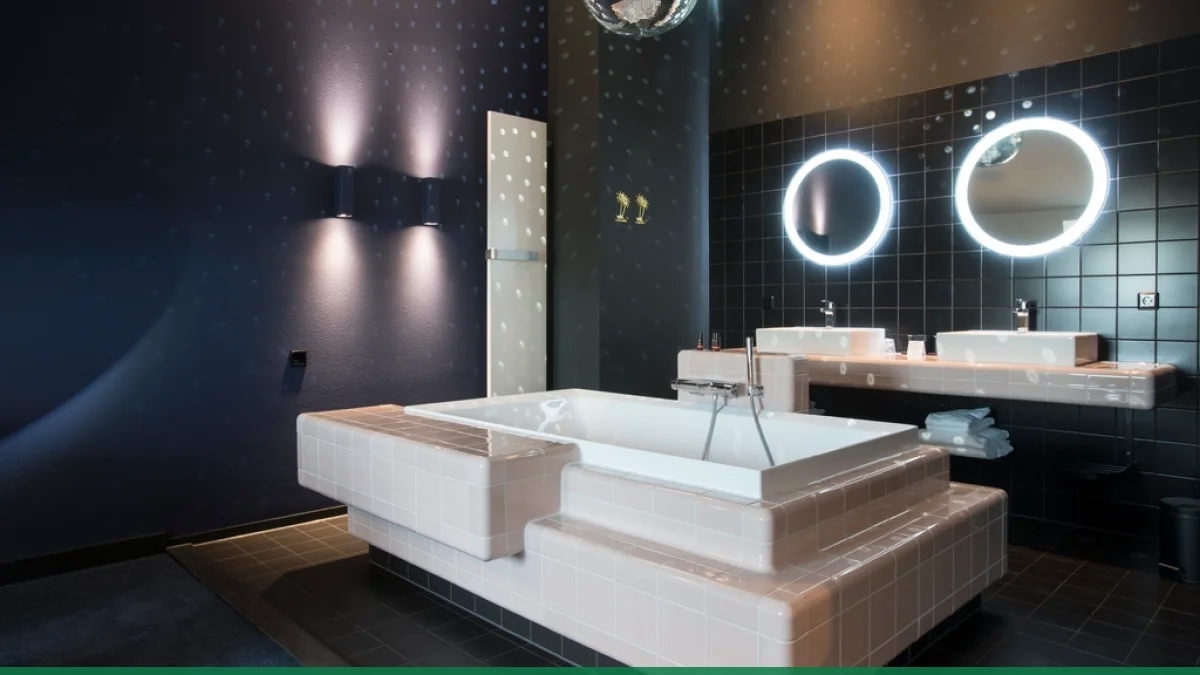
Finally, consider the style. A family bathroom should feel calm and practical. Very dark, glossy or heavily patterned finishes can look dramatic, but they may show marks more in a busy room. Mid-tone stone effects, pale marble looks and soft matt finishes often work well because they add interest without making the room feel crowded.
How to Choose Panels Before You Buy
Measure the walls carefully and check panel sizes before choosing a finish. Large panels can reduce joins, but they need to be handled, cut and fitted properly. Smaller tile-effect panels may be easier to position in some rooms but can create a different visual rhythm. Check height, width, thickness and whether trims are needed for corners, ends and joins.
Think about what is behind the panels too. A waterproof finish still needs a sound base. Damaged walls, loose tiles, damp patches or uneven surfaces should be assessed before fitting. If the panels are part of a full renovation, preparation is usually planned into the work. If you are upgrading one area, make sure the existing surface is suitable.
Ask to see physical samples whenever possible. Photos can hide shine, texture and colour variation. A panel that looks warm online may look cooler under your bathroom light. A gloss panel can reflect more than expected. A matt panel can feel softer and more understated. Samples make the decision much easier.
Panels Can Make Shower Areas Easier to Live With
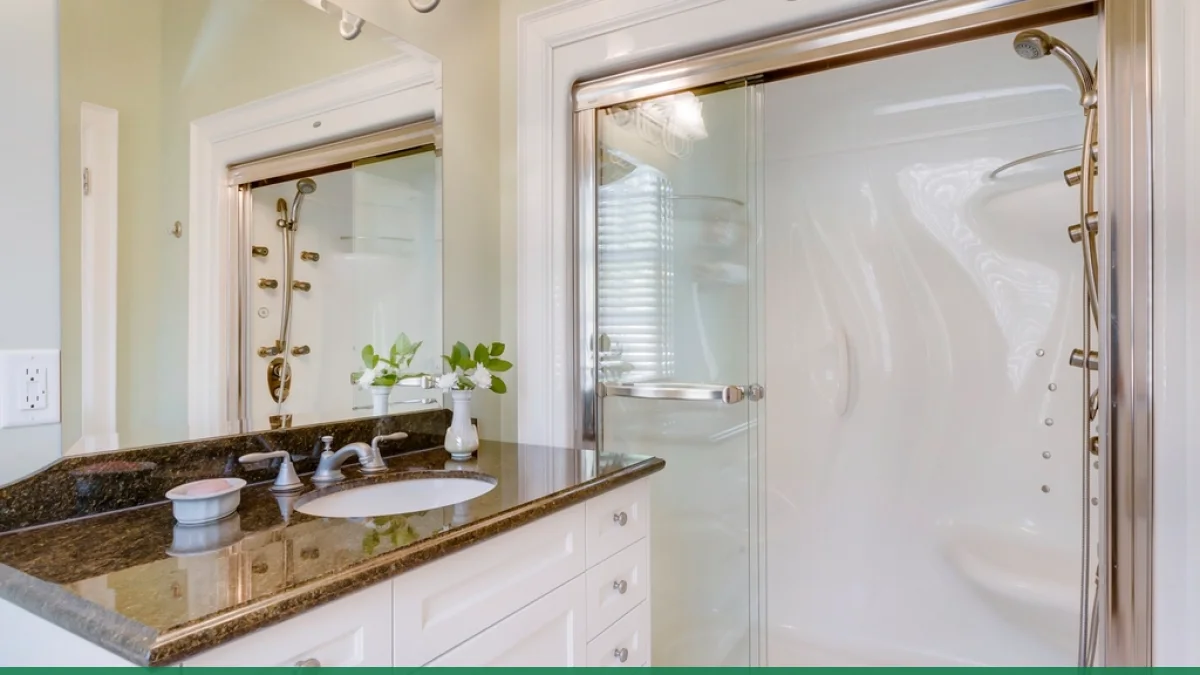
Shower areas are where panels often make the biggest difference. Fewer grout lines mean fewer places for residue to settle. Large sheets can create a cleaner look behind a screen or enclosure. For families, this can make weekday cleaning faster and reduce the feeling that the shower always needs attention.
Good fitting is still essential. Corners, trays, trims and sealant lines need to be planned properly. Water should be directed back into the tray, and edges should be finished neatly. If the shower area is being changed at the same time, choose the screen, tray and panels together so the dimensions work as a complete area.
Colour Choice Changes How the Room Feels
Wall colour has a big effect in a bathroom because there is often limited natural light. Pale panels can make the room feel brighter. Stone effects can add warmth. Dark panels can look smart, but they may need better lighting and careful balance with the floor and furniture. In a small family bathroom, a calm finish is often easier to live with than a very bold one.
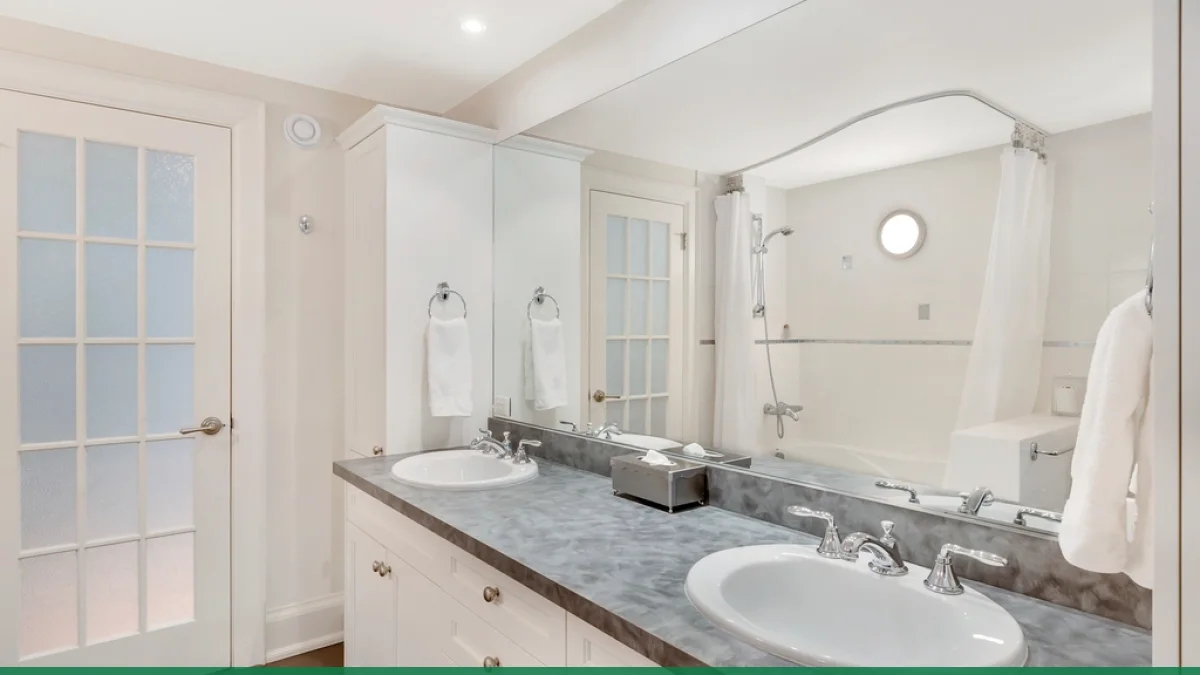
It helps to compare the panel with the vanity unit, flooring and mirror. If every surface is trying to be the feature, the room can feel busy. A good design usually lets one or two finishes lead, while the rest support them. This makes the finished bathroom feel more considered.
Think About Trims, Corners and Finishing Details
Trims are not the exciting part of the order, but they affect the finished look. Corners, end caps, internal joins and external edges all need a plan. The colour of the trim can either blend in or create a deliberate line. In some bathrooms, matching trims keep the look simple. In others, a contrasting trim can work with black taps or a darker shower screen.
Before ordering, check how many panels and trims are needed. It is better to confirm this before work starts than to discover a missing corner during fitting. If you are unsure, bring measurements and photos into the showroom. The team can help estimate what the room is likely to need.
Panels Should Support the Whole Renovation
Wall panels are one part of the room. They need to work with flooring, storage, lighting, ventilation and the main products. If the room has poor ventilation, even easy-clean surfaces can struggle with condensation. If there is not enough storage, walls and ledges will still collect bottles and clutter.
For a family bathroom, the best result usually comes from planning the whole room together. Choose surfaces that are easy to clean, storage that is easy to use and a layout that lets people move comfortably. The wall finish should make that daily routine easier, not just look good in isolation.
Think about how the panels will look at eye level as well as in the product photo. Some designs have strong veins, tile lines or repeated patterns. In a small bathroom, those details can feel busier once they cover a full wall. In a larger room, the same finish may look balanced and more natural.
Ordering enough material matters too. If a panel is damaged during cutting or a wall needs a slightly different join, having no spare can delay the job. This does not mean overbuying wildly, but it does mean checking the plan properly. A showroom or fitter can help work out realistic quantities before the work begins.
Families should also think about how the panel finish will age with daily use. A room used by children may see more splashes, shampoo marks and towel knocks than a quiet en-suite. Choose a finish that suits that reality. A practical panel, fitted neatly and cleaned regularly, can keep a family bathroom looking fresh without needing the constant attention that older grout lines often demand.
Speak to TikiTaki Bathrooms
If you are planning a bathroom project and want a second opinion before ordering, the showroom team can help you compare sizes, finishes and practical fitting details. Bring rough measurements, a few photos of the current room and any product links you already like, and we can help you narrow the choice down without making the bathroom more complicated than it needs to be.
- Phone: 01978 803075
- Email: info@tikitakibathrooms.com
- Showroom: Unit 1 Wrexham Industrial Estate, Bridge Road South, Wrexham, LL13 9SQ
- Socials: Facebook and Instagram